
Summary
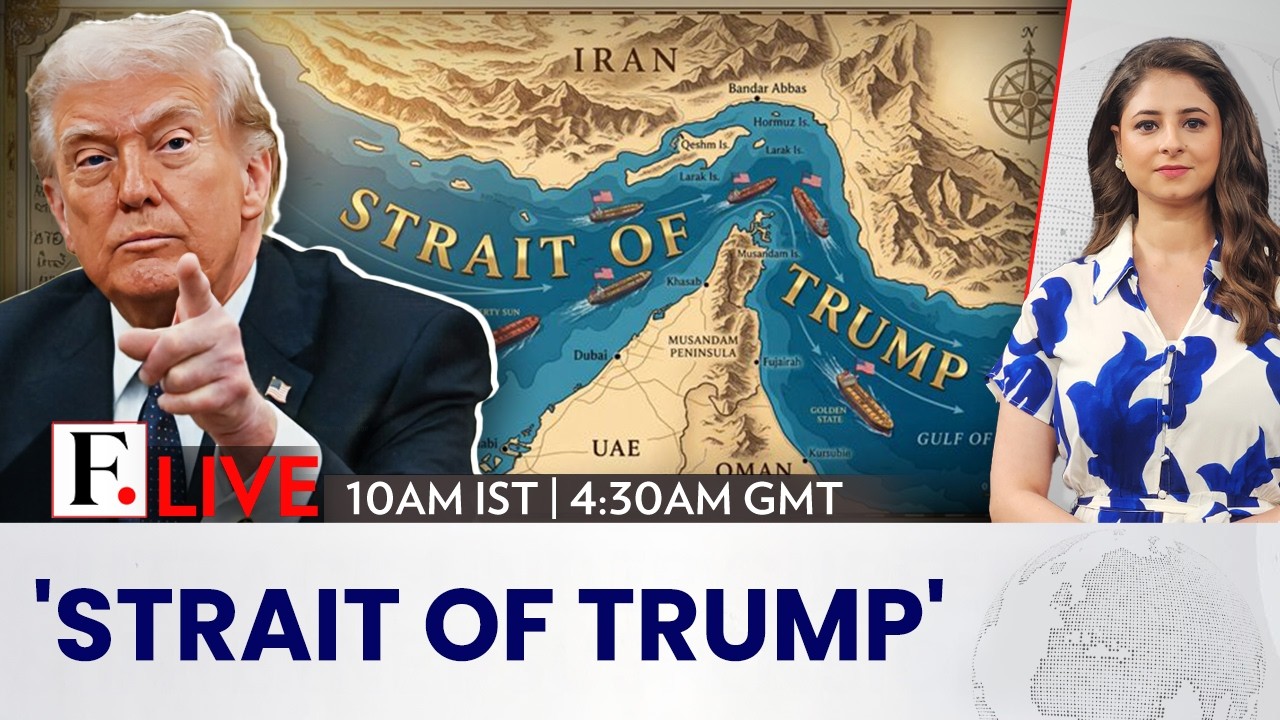
The volatile situation surrounding the [[Strait of Hormuz]] remains in a precarious state, with **President Trump** reportedly considering a new offer from [[Iran]]. This proposal reportedly involves reopening the vital shipping lane, a move that could stabilize [[global oil prices]], but crucially, it seeks to delay further discussions on Iran's [[nuclear program]]. The administration's 'unenthusiastic' contemplation of this deal, as reported by **CBS News**, highlights the complex geopolitical calculus at play. The potential for renewed conflict or a fragile de-escalation hangs in the balance, directly impacting energy markets and international security. This standoff underscores the intricate relationship between regional stability, energy security, and nuclear proliferation concerns. The Strait of Hormuz, a critical chokepoint for global oil transport, has been a flashpoint for tensions between the U.S. and Iran. Any disruption here has immediate and far-reaching economic consequences, as evidenced by the current rise in oil prices. The administration's decision will shape not only U.S.-Iran relations but also the broader geopolitical landscape.
Key Takeaways
- Iran has offered to reopen the Strait of Hormuz in exchange for delaying nuclear talks.
- The Trump administration is currently considering this offer with apparent hesitation.
- Rising oil prices are directly linked to the ongoing tensions and uncertainty.
- The Strait of Hormuz is a critical chokepoint for global oil transport.
- The decision carries significant implications for international security and energy markets.
Balanced Perspective
The situation presents a complex negotiation where Iran is attempting to leverage its control over the Strait of Hormuz to gain concessions on its nuclear program. The Trump administration faces a dilemma: accepting the offer could provide short-term stability but might embolden Iran or be seen as a sign of weakness. The 'limbo' state reflects the difficulty in balancing immediate economic concerns with long-term strategic objectives regarding nuclear proliferation.
Optimistic View
The Iranian offer, if accepted, could be a diplomatic breakthrough, easing immediate tensions and preventing a costly conflict. Reopening the Strait of Hormuz would ensure the steady flow of oil, stabilizing prices and benefiting the global economy. This could be the first step towards a broader de-escalation and a more stable regional environment, demonstrating the power of negotiation over confrontation.
Critical View
This Iranian offer is likely a strategic maneuver to buy time and avoid stricter sanctions or military action, while continuing its nuclear ambitions. Delaying nuclear talks could allow Iran to advance its program unchecked, posing a greater long-term threat. The 'unenthusiastic' consideration by Trump suggests skepticism, and a failure to reach an agreement could easily lead to escalation, further disrupting oil supplies and increasing the risk of war.
Source
Originally reported by CBS News